
Standing over my recycling bin on a humid Austin evening mid-March, I realized my shred pile of junk mail was officially taller than my keep pile. It was a stack of glossy 'Pre-Approved' credit card offers and local lawn care flyers, all addressed to a version of me I thought I’d scrubbed from the internet months ago.
Before we get into the weeds of how I tried to fix this, a quick heads-up: I use affiliate links on this site. If you sign up for a data removal service like Incogni through these links, I earn a commission at no extra cost to you. I’ve personally paid for and tested every service I mention—usually because I was tired of seeing my own home address pop up in a casual Google search.
The Junk Mail Problem That Scaled to the Internet
As a digital marketing consultant, I spend my days looking at data from the other side of the glass. I know how valuable a 'clean' lead is. But seeing my wife’s maiden name and my grandparents' address listed on a people-search site earlier this year felt less like 'targeted marketing' and more like a personal violation. It’s a strange mix of professional admiration for the data brokers' efficiency and a deep sense of unease that my entire family tree is a commodity.
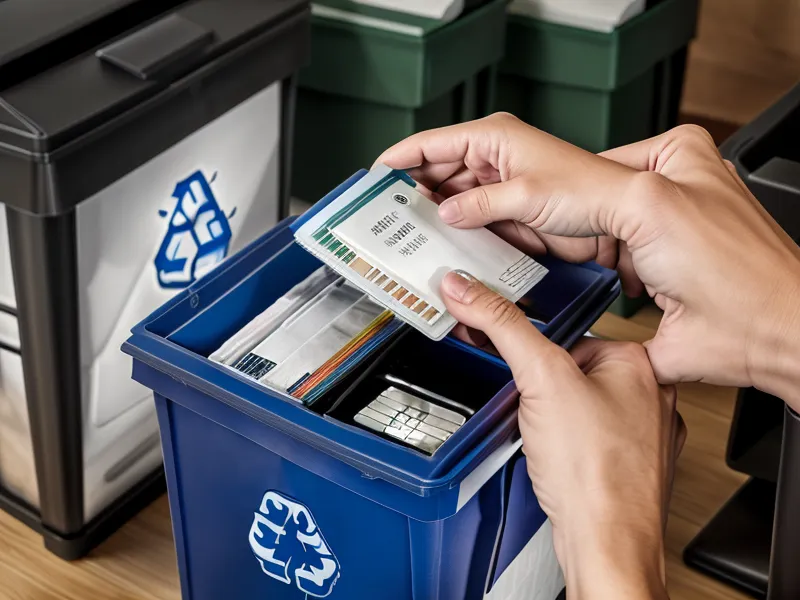
I started noticing the physical manifestation of this digital trail in my mailbox. I’d pick up a mailer and feel the waxy, stiff texture of a 'Pre-Approved' credit card offer. It wasn’t just junk; it was a physical reminder that someone, somewhere, had sold my full middle name and my current address to a lender. It’s like a subscription you cancel, but they just keep billing your sense of privacy anyway. I’d already tried the DIY route with manual opt-outs, but it felt like trying to empty the ocean with a leaky bucket.
Why I Handed the Reins to Incogni
By late June, I’d had enough of the manual spreadsheets. I signed up for Incogni because I wanted an automated way to handle the constant re-scraping that these brokers do. Unlike some of the more expensive services I’ve tried, Incogni felt like the 'set it and forget it' version of a credit freeze. You give them your info, and they start firing off legal requests to around 180 data brokers on your behalf.
The dashboard is surprisingly clinical—no flashy graphics of 'cybercriminals' in hoodies, just a list of names like Spokeo and Whitepages with a status bar next to them. I watched the 'requests sent' counter climb without me having to fill out a single captcha or confirm my email address fifty times. It was a relief to let a script do the heavy lifting while I focused on my actual clients.
The 'Scam Likely' Silence
After the first three months of letting the service run, I noticed a change that wasn't on a dashboard. It was a quiet Saturday afternoon last August when I realized my phone hadn’t buzzed with a 'Scam Likely' call in over forty-eight hours. Usually, my iPhone is a constant stream of 'Health Insurance' offers and 'Account Verification' bots. The silence was palpable.

It’s not an overnight fix. Data removal is more like direct marketing in reverse; it takes time for the databases to sync and for the brokers to actually process the CCPA or DMA requests. But the correlation was hard to ignore. As Incogni checked off more brokers from their list of 180 targets, the number of people trying to sell me solar panels or extended car warranties dropped significantly. My partner, who still thinks the Yubikey on my keychain is a bit much, even admitted that the house felt 'less noisy.'
The 'Ping' Problem: A Skeptical Aside
Here is the part the marketing copy won’t tell you: aggressively removing your data can sometimes backfire. There’s a contrarian angle I’ve observed in my own testing—by sending a formal opt-out request, you are essentially 'pinging' a broker to let them know that the person at this address is active, privacy-conscious, and potentially has a high-value profile. To a broker, a valid opt-out request is a confirmation that the data they have is 100% accurate.
I’ve seen some brokers re-list my address faster than others after a removal cycle. It’s why I’ve kept my notes on the full removal cycle updated. You aren't becoming invisible; you're just making yourself a more expensive target to track. Some brokers will comply, while others will just wait for the next data scrape to find you again. This is why automation beats the manual method—you need a service that keeps knocking on their door every few months to tell them to delete you again.
Comparing the Toolbelt
While Incogni has been my primary tool for the 'spam' side of things lately, I haven't abandoned my other layers. For example, I still use a RoboForm family plan (which handles up to 5 users) to keep my passwords unique, so a breach at one site doesn't feed the brokers my data for another. And when I need more comprehensive coverage for my extended family, I’ve looked at DeleteMe, whose family plans cover up to 4 people and tend to hit more of the obscure people-search sites that Incogni might skip.
The reality is that no single service offers 'complete' removal. It’s a game of whack-a-mole. But for the price of a couple of fancy Austin lattes a month, having a service like Incogni handle the bulk of the 180 brokers is a much better use of my time than fighting with Spokeo on a Tuesday morning. You can always check the current pricing on their site, as it tends to fluctuate based on the plan you pick.
The Long-Term Verdict
If you're tired of the 'Scam Likely' calls or the waxy credit card mailers piling up in your recycling bin, an automated removal service is the closest thing we have to a 'Do Not Call' list that actually works for the modern web. It won't make you a ghost, but it will make you a ghost in the machine for the bottom-tier brokers who fuel most of the daily spam. If you're looking to reclaim some of that peace and quiet, I'd suggest starting with a service that does the repetitive work for you while you're busy living your life.
If you're ready to start clearing your name from these databases, you can check out Incogni here. It’s been the most straightforward part of my privacy stack so far, and my shredder certainly appreciates the break.